

If your tax preparer made a mistake on your return, you are still legally responsible for fixing it. The IRS holds taxpayers accountable for all errors, even those caused by paid professionals. Common tax preparer mistakes include missing income forms, math errors, wrong filing status and missed deductions. To correct an error before the IRS contacts you, file Form 1040-X as an amended return. You have up to three years after filing or two years after paying your taxes to submit corrections.
When the IRS discovers an error, they send either a correction letter or an audit notice. For simple mistakes, pay the amount owed or have your tax preparer contact the IRS to dispute it. For serious errors or misconduct, report your tax preparer using Form 14157 and Form 14157-A. You can seek reimbursement for penalties and fees from your tax preparer, but you remain responsible for the actual tax owed.

How to Spot Errors Made by Your Tax Preparer
Even skilled tax professionals can make mistakes on your return. Finding these errors early saves you time, money and stress. Always review your tax documents carefully before you file them. Check each line to make sure everything is accurate and complete. Compare your Form 1040 numbers to your W-2s and 1099s. Also match them against your bank statements for accuracy. Flag any missing income, math errors or strange deductions right away. Taking this step helps you avoid problems with the IRS later.
There are several warning signs to watch for on your Form 1040.
- An unexpected refund amount is one common red flag. If your refund is much larger or smaller than usual, check the entries.
- Make sure all your W-2s and 1099s are included in the return. Missing income forms can trigger IRS notices and penalties. Even small math errors can change your total tax amount owed.
- Wrong filing status or dependents listed can affect your tax bracket. These mistakes also impact your credits and final refund amount.
- Missed deductions like the Child Tax Credit cost you money. The Earned Income Tax Credit is another commonly overlooked benefit.
- Incorrect bank account or routing numbers can delay your refund. They may even send your money to the wrong account.
Always ask for a complete copy of your finished return. Review it thoroughly before you sign anything. This simple step is the best way to catch problems early. Finding errors before the IRS does protects you from future headaches.
Stay Calm If You Find an Error
First, do not panic if you discover a mistake. Staying calm helps you handle the situation more effectively. When dealing with the IRS, good faith is the most important rule. Always be honest and report all your known income sources. Never claim expenses or deductions that did not actually happen. Honesty protects you from serious consequences down the road.
The IRS knows that people often make mistakes on their taxes. Most penalties are avoided as long as you are not lying on purpose. The agency focuses on catching deliberate fraud, not honest errors. Hiring a tax preparer actually shows you acted in good faith. Lawyers often call this acting on the advice of counsel. This demonstrates you tried to file your taxes correctly.
The IRS will still send you a bill for any errors found. This includes interest charges and additional fees that may apply. However, serious fines are unlikely if you were not committing fraud. You will not face arrest for honest mistakes on your return. The IRS also offers payment plans if you cannot pay everything immediately. They will work with you to create a structured repayment schedule. Taking action quickly and honestly is your best approach.
When You Should File an Amended Tax Return
Tax errors can happen in several different ways. Knowing when to file an amended return is important. If you find an error before the IRS contacts you, take action. You will need to file an amended return to fix it. An amended return is an updated filing that corrects significant mistakes. Filing one is especially important if you overpaid your taxes. Overpayment means you are owed money back from the IRS.
To file an amended return, use Form 1040-X with corrected information. Include all the updated details that fix the original error. You must pay any additional amount you owe right away. If you overpaid, you will receive a refund after IRS approval. The IRS will review your new numbers before processing your request. You can file an amended return up to three years after filing. You also have up to two years after paying the tax owed. The deadline is whichever of these two options comes later.
You are still responsible for any underpayment on your taxes. This is true even if your tax preparer caused the error. You may seek reimbursement for penalties and fees from your tax preparer. However, you cannot make them pay your actual tax bill. Understanding these rules helps you take the right steps forward.
Understanding Correction Letters and Audits
If the IRS finds an error, you will usually receive one of two responses. These are a correction letter or an audit notice. Knowing the difference helps you respond appropriately to each situation.
In most cases involving simple errors, the IRS sends a correction letter. This letter means the IRS thinks you reported your finances honestly. However, you may have made a calculation mistake or left something out. The letter will show what the IRS believes you owe. It will also include any interest and fees that apply.
If you receive a correction letter, review your taxes right away. For small amounts, making a quick payment may be the easiest solution. You can ask your tax preparer to review the filing if you trust them. If you doubt their reliability, have a new accountant conduct the review instead. If you believe the IRS made a mistake, ask your tax preparer to contact them.
For more serious errors, the IRS may send an audit notice instead. The IRS usually audits when it finds problems with your financial information. They may doubt the income, expenses or other facts on your return. The agency may review additional documents to verify your claims. These include receipts and bank account records for comparison.
If you receive an audit notice, speak with a tax professional immediately. You can use your current tax preparer or find someone new. Filing an amended return may help resolve the issue in some cases. However, audits are very specific to each situation. Professional advice is the best way to handle an audit properly.
Steps to Take When a Serious Error Occurs
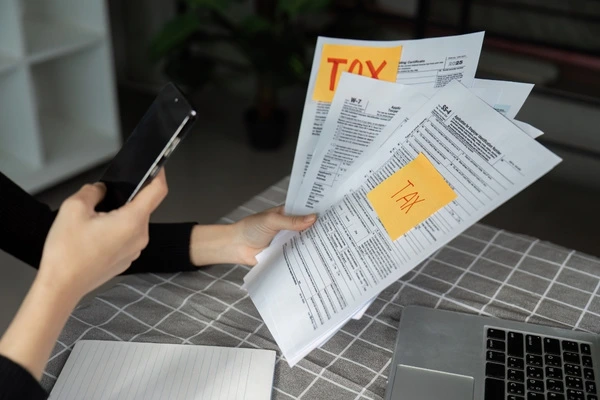
Serious errors by a tax preparer are rare but can happen. When they do, acting quickly is very important. Serious mistakes can lead to extra expenses you did not expect. These may come from lengthy audits or penalties for apparent impropriety. You do not want to pay for your tax preparer’s mistakes. Taking swift action protects your finances and your rights.
If you believe the mistake was accidental, talk to your tax preparer first. They may voluntarily fix the error and cover any related costs. Many tax preparers want to maintain their reputation and will help resolve issues. This is often the fastest way to handle the situation.
If your tax preparer refuses to help, take further action immediately. You should also act quickly if you suspect any misconduct occurred. Speak with another tax professional right away for guidance. Work with the IRS and your new tax pro to correct the error. Try to negotiate lower fines or penalties during this process.
You will have two remaining issues to address after correcting the error.
- First, report your tax preparer to the IRS if misconduct occurred. Use Form 14157 and Form 14157-A to file your complaint. The IRS may penalize them or revoke their preparer status. This helps protect other taxpayers from similar problems.
- Second, consider legal action if the mistake costs you significant money. You can speak with a lawyer about suing your tax preparer. Lawsuits require significant effort, so only pursue one for large amounts. However, do not hesitate if you deserve reimbursement for your losses. You have the right to recover costs caused by their errors.
Understanding Different Tax Preparer Credentials
Not all tax preparers have the same level of qualifications. Understanding the different credentials helps you choose the right professional. It also helps you hold them accountable if problems arise. Knowing these differences protects you when making your selection.
- Certified Public Accountants, or CPAs, are licensed at the state level. They must pass rigorous exams and complete continuing education requirements. Many CPAs specialize in taxation and understand complex tax situations. They can represent you before the IRS during audits or appeals.
- Enrolled Agents, or EAs, are federally licensed by the IRS itself. They are tax experts who can represent taxpayers in any state. EAs must pass a comprehensive IRS exam to earn their designation. Some qualify through prior work experience with the IRS instead.
- Tax attorneys are licensed lawyers with specialized training in tax law. They handle high stakes situations and legal disputes effectively. These professionals are best for fraud investigations or complex audits. Their legal expertise provides an extra layer of protection.
- Uncredentialed preparers do not hold any professional designations. Many of them are still competent at preparing basic tax returns. However, they are not required to complete continuing education courses. They also do not have to follow professional standards in their work. Their ability to represent you before the IRS is limited.
Some tax returns are more complex than others and need special attention. These include returns with business income, multiple states or investment property. Working with a credentialed preparer is generally safer for complex situations. They understand tax law more deeply and follow professional standards. These standards protect you if something goes wrong with your filing.
Conclusion
Discovering a tax preparer error can feel overwhelming, but you have clear options to resolve it. Act quickly by reviewing your return, filing Form 1040-X if needed and communicating honestly with the IRS. Remember that good faith efforts protect you from serious penalties in most cases. The IRS focuses on catching deliberate fraud rather than punishing honest mistakes. Payment plans are available if you cannot pay the full amount owed immediately. Taking swift action helps minimize interest charges and additional fees on your account.
Choosing a credentialed tax preparer like a CPA or Enrolled Agent reduces your risk of errors. These professionals follow strict standards and can represent you before the IRS if needed. If problems occur, hold your tax preparer accountable by seeking reimbursement for penalties incurred. You can also report misconduct using IRS Form 14157 and Form 14157-A. You deserve accurate tax preparation and have every right to pursue compensation when mistakes cost you money. Taking informed action puts you back in control of your tax situation.
FAQs
Can I sue my tax preparer for making a mistake?
Yes, you can pursue legal action if their error costs you significant money. Consult a lawyer to determine if a lawsuit is worth the effort involved.
Will I go to jail if my tax preparer made an error?
No, you will not face arrest for honest mistakes on your tax return. The IRS only pursues criminal charges for deliberate fraud, not accidental errors.
How long do I have to fix a tax preparer mistake?
You can file an amended return up to three years after your original filing date. You also have two years after paying the tax, whichever deadline comes later.
Does the IRS penalize taxpayers for tax preparer errors?
The IRS may charge interest and fees, but serious penalties are unlikely for honest mistakes. Hiring a tax preparer demonstrates good faith effort to file correctly.
How do I report a tax preparer for misconduct?
File Form 14157 and Form 14157-A with the IRS to report the issue. The IRS may penalize the preparer or revoke their ability to prepare taxes.

Bridgette Austin, Esq., EA, spent three years at Michigan State University’s Tax Clinic representing low-income taxpayers before the IRS – two as a student clinician, one as a post-graduate fellow. That work shaped her practice. A Bellaire, Michigan native with a Northern Michigan University bachelor’s and an MSU law degree, she now resolves IRS and State of Michigan tax debt cases at Austin & Larson.
Recent Comments